Charting Pathways from Initial Credits to High-Stakes Live Sessions via Mobile Payment Gateways
Written by Paul Meier · Jun 2, 2026
Charting Pathways from Initial Credits to High-Stakes Live Sessions via Mobile Payment Gateways
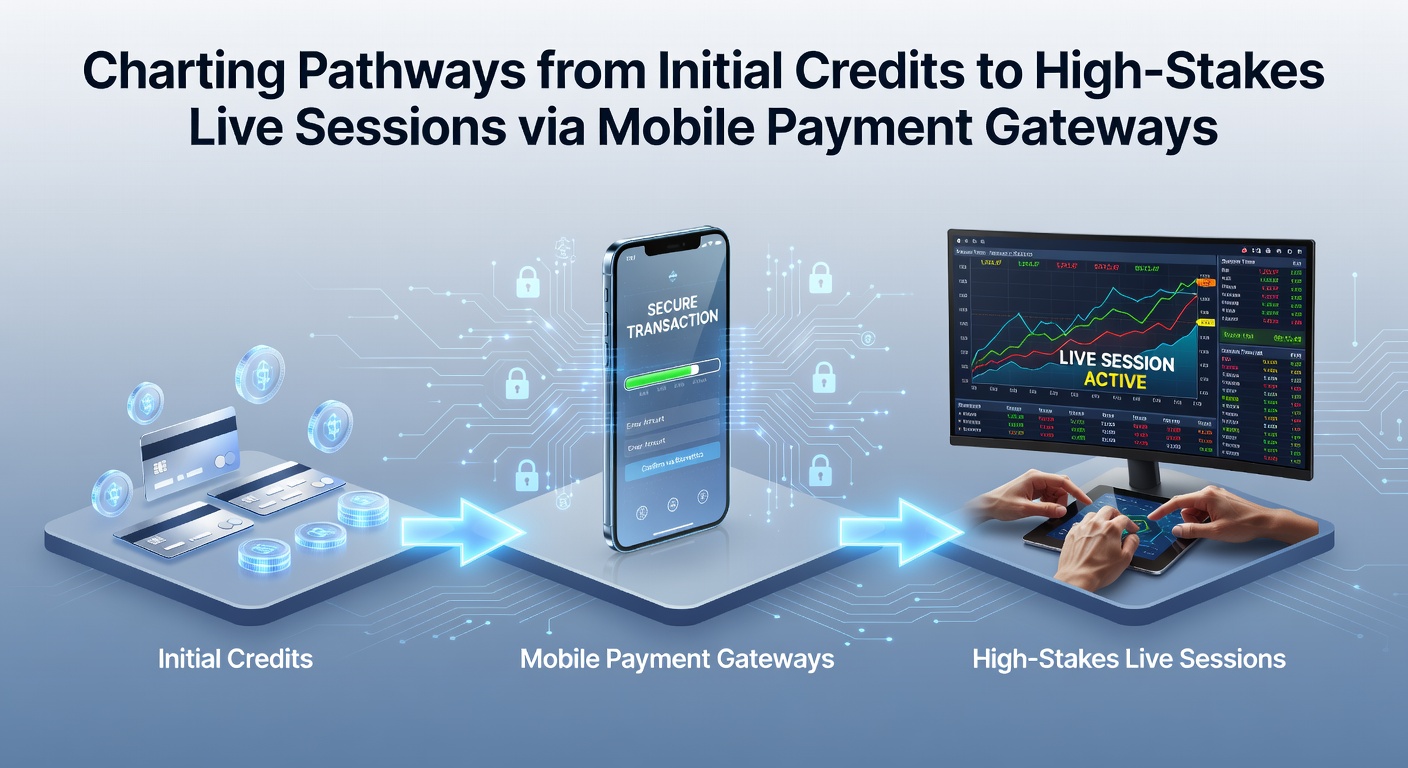
Players begin their journey in mobile casino environments through initial credits deposited via secure payment gateways that connect banking apps directly to gaming platforms, and these systems handle everything from small starter amounts to larger transfers that unlock progressive features. Mobile gateways such as those integrated with Apple Pay and Google Pay process transactions in seconds while maintaining compliance with regional financial regulations that differ across jurisdictions.
Initial Credit Acquisition Through Mobile Channels
Data from industry reports shows that first-time users often fund accounts with modest sums that qualify for entry-level rewards, yet the same gateways scale up to support repeated deposits without requiring users to leave the application interface. Observers note that verification steps occur once during account setup, after which subsequent transfers move through tokenized connections that protect card details from direct exposure on the device.
Payment processors route funds through encrypted tunnels that comply with standards set by bodies like the Nevada Gaming Control Board, and this infrastructure supports both credit cards and digital wallets while logging each step for audit trails. Those who study transaction patterns find that initial credits frequently convert into bonus balances within the same session, allowing immediate access to slot titles or table games on the portable device.
Gateway Mechanics and Transaction Flow
Gateways operate by establishing a bridge between the user's financial institution and the casino's merchant account, and they apply real-time fraud checks that flag unusual activity before funds reach the gaming balance. The process unfolds in layered steps where authorization precedes capture, which means holds appear on statements only after the casino confirms receipt.
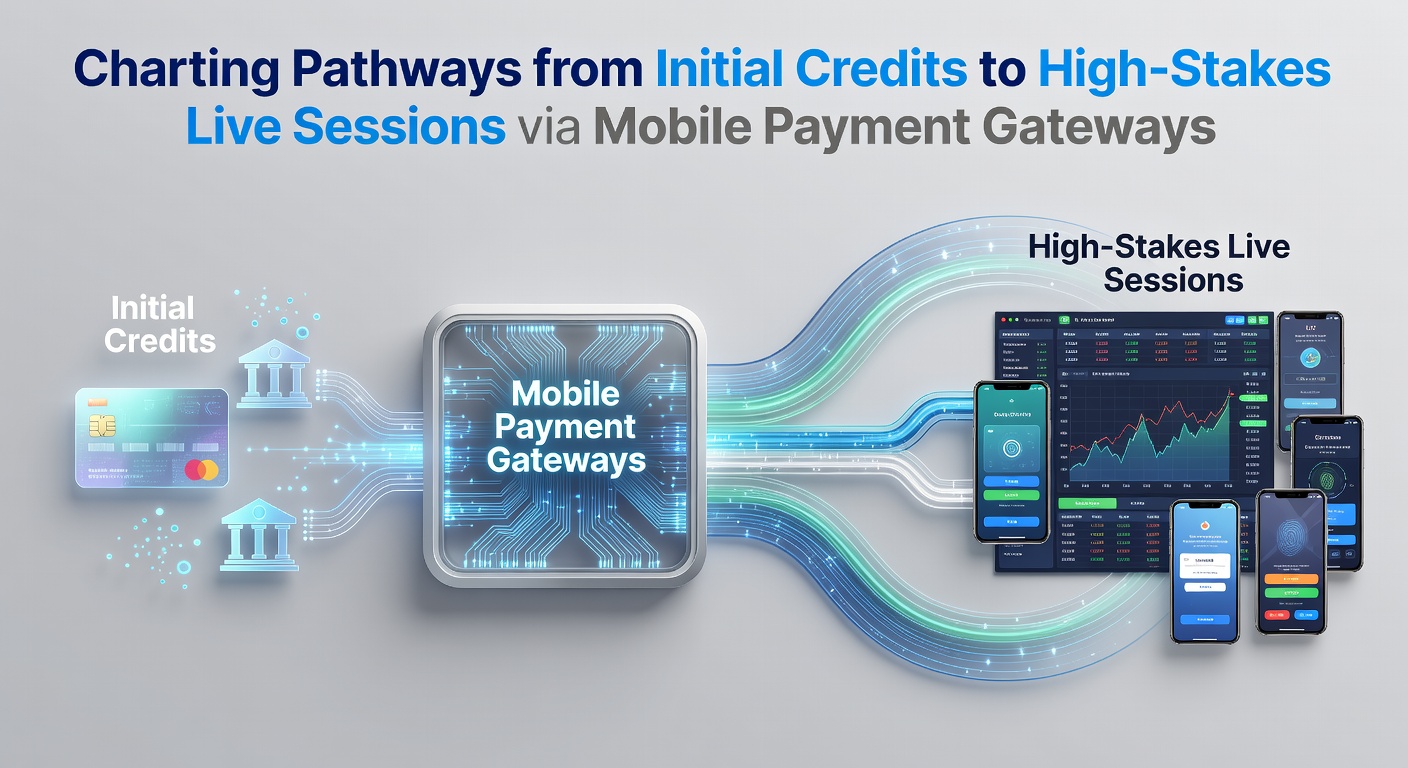
Research indicates that gateways supporting multiple currencies reduce conversion fees for international players, while domestic users benefit from instant settlement that credits balances without delay. According to figures from the Nevada Gaming Control Board, mobile transaction volumes have risen steadily as more operators adopt these standardized interfaces that work across iOS and Android ecosystems alike.
Progression Toward High-Stakes Live Dealer Access
Once initial credits establish an account history, players gain eligibility for elevated tiers that include high-stakes live sessions streamed in real time, and gateways facilitate the larger transfers needed to meet minimum buy-in requirements at those tables. Live dealer platforms track cumulative activity, so consistent use of the same payment method accelerates status upgrades that unlock private tables and dedicated hosts.
Systems log every deposit and withdrawal, which creates a transparent record that operators review when assigning VIP privileges, yet the gateways themselves remain neutral conduits that do not influence game outcomes. Experts have observed that users who route funds through verified mobile channels encounter fewer interruptions when moving between standard play and premium live environments because authentication persists across sessions.
Regulatory Context and June 2026 Developments
Regulatory frameworks continue to evolve, and several jurisdictions plan updates scheduled for implementation around June 2026 that will require additional consumer disclosures during mobile deposit flows. These changes aim to standardize how gateways present fee information and responsible gaming prompts before transactions complete.
Industry organizations such as the European Gaming and Betting Association have published guidelines that operators reference when configuring their mobile interfaces, and compliance teams test new protocols well in advance of deadlines. Data shows that jurisdictions with clear mobile payment rules experience higher player retention rates because trust in the transaction layer reduces friction during account funding.
Security Protocols and User Verification Layers
Multi-factor authentication combines device biometrics with one-time codes sent through the gateway provider, and this layered approach prevents unauthorized access even if login credentials become compromised. Researchers at academic institutions studying digital finance have documented how tokenization replaces actual account numbers with temporary substitutes that expire after each use.
Operators integrate these measures directly into the mobile app so that high-stakes live sessions require no additional steps beyond the initial setup, which keeps momentum intact when players decide to increase wager sizes. Withdrawal pathways mirror the deposit routes, allowing winnings from live tables to return through the same gateways that handled the original credits.
Conclusion
The pathways from starting credits to high-stakes live participation depend on reliable mobile payment gateways that handle scaling volumes while meeting regulatory demands across regions. Continued refinements scheduled through 2026 will likely standardize reporting and disclosure practices, which in turn supports smoother transitions for users who advance through reward structures on portable platforms.