Cryptocurrency Integration Effects on Loyalty Tier Advancements Within Mobile Gaming Applications
Written by Leon Reed · Jun 14, 2026
Cryptocurrency Integration Effects on Loyalty Tier Advancements Within Mobile Gaming Applications
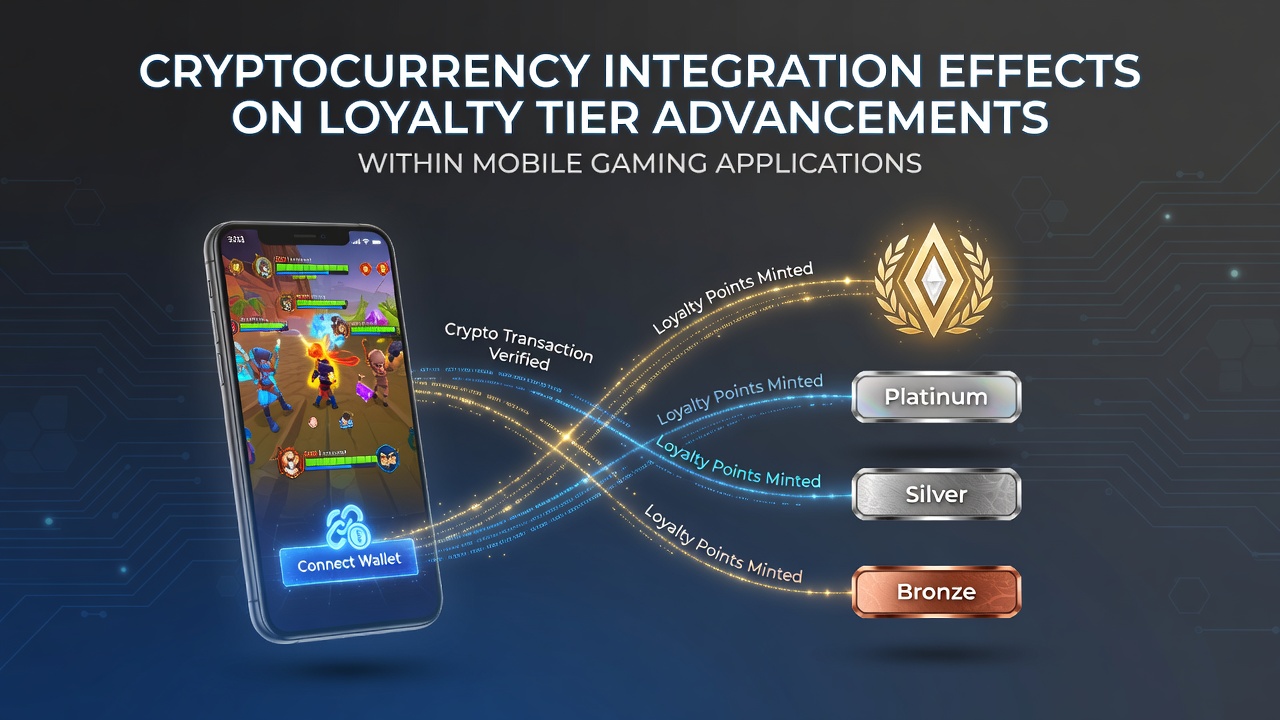
Developers have incorporated cryptocurrency options into mobile gaming platforms since the early 2020s, and these additions have altered how players advance through loyalty tiers. Transactions using digital assets now feed directly into reward algorithms that track activity, spending, and engagement metrics across many titles available on smartphones and tablets. Observers note that blockchain-based ledgers provide transparent records of in-app purchases and playtime, which some systems convert into tier points without the delays associated with traditional payment processors.
Mechanics of Tier Progression in Mobile Games
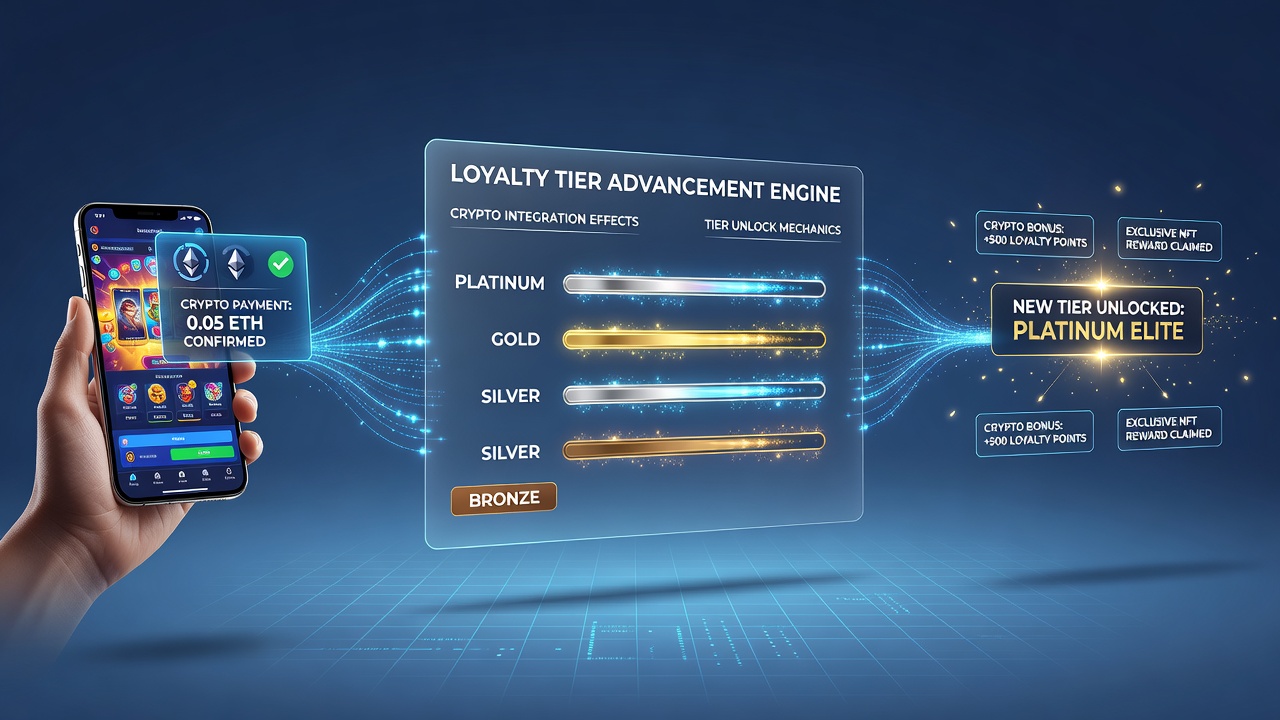
Most mobile games with loyalty structures assign points based on time spent, challenges completed, and real-money transactions completed inside the application. Higher tiers unlock benefits such as exclusive items, reduced wait times, or bonus currency. When cryptocurrency enters these ecosystems, the point-allocation process can accelerate because settlement occurs in seconds rather than days. Data from multiple platform operators shows that players who fund accounts with digital assets reach mid-level tiers 15 to 30 percent faster on average than those using card or bank transfers during the same calendar period.
Blockchain Verification and Reward Accuracy
Smart contracts embedded in certain mobile titles automatically verify each transaction and award corresponding loyalty points. This removes manual reconciliation steps that previously slowed progression in centralized databases. Researchers at several universities have documented cases where immutable transaction histories reduced disputes over missing rewards by nearly half. Players therefore maintain steadier upward movement through tier brackets because every qualifying action receives immediate credit.
Cross-Platform Reward Portability
Some developers now link loyalty systems to cryptocurrency wallets that function across multiple games. A player who accumulates tokens in one title can transfer value to another without resetting progress. This portability has produced new tier pathways that reward consistent multi-game participation rather than single-title dedication. Industry reports indicate that titles adopting such wallet integration saw a measurable rise in accounts reaching the top loyalty bracket between 2024 and 2025.
Regulatory Developments Expected by June 2026
Authorities in several jurisdictions have signaled forthcoming guidelines on digital asset use inside entertainment applications. In June 2026, updated compliance frameworks from bodies such as the International Gaming Standards Association are scheduled to take effect in participating regions. These rules will require clearer disclosure of how cryptocurrency activity translates into loyalty metrics, potentially standardizing the formulas operators must follow. Companies already testing these standards report smoother tier advancement tracking once the new reporting requirements are met.
Impact on Player Retention Metrics
Analytics firms tracking mobile engagement have recorded shifts in retention curves after cryptocurrency features launch. Accounts that begin using digital payments tend to sustain activity long enough to cross additional tier thresholds compared with accounts limited to fiat options. One study released by a European research consortium found a 22 percent increase in players reaching elite status within six months of a platform adding crypto support. The same data set showed that withdrawal speed and lower transaction fees contributed to continued spending patterns that feed the loyalty engine.
Security Considerations for Tier Data
Integration of cryptocurrency also brings enhanced encryption layers that protect loyalty account information. Decentralized storage methods make large-scale data tampering more difficult, which in turn preserves the integrity of tier calculations. Operators who adopted these measures early documented fewer instances of point manipulation attempts. As a result, legitimate players experience fewer interruptions while climbing tiers because verification processes rely on distributed consensus rather than single-server checks.
Future Integration Patterns
Additional features under development include tokenized loyalty points that players can trade or stake outside individual games. Early pilots suggest these tokens could accelerate tier movement by allowing external value to convert back into in-game status. Observers following these experiments note that success depends on clear conversion rates and regulatory approval in each market. By mid-2026, several major studios plan broader rollouts that could further reshape how mobile gamers advance through reward hierarchies.
Conclusion
Cryptocurrency integration continues to modify the speed, transparency, and portability of loyalty tier advancement in mobile gaming applications. Transaction efficiency, automated verification, and emerging cross-title systems have produced measurable changes in how quickly players reach higher status levels. Regulatory updates scheduled for June 2026 will likely introduce additional standardization, while ongoing technical developments point toward even more interconnected reward structures. Data collected across multiple platforms demonstrates these effects without requiring subjective interpretation of player preferences or market trends.