Cryptocurrency Pathways Enabling Elevated Reward Structures Within Handheld Interactive Entertainment Systems
Written by Felix Fischer · Jun 7, 2026
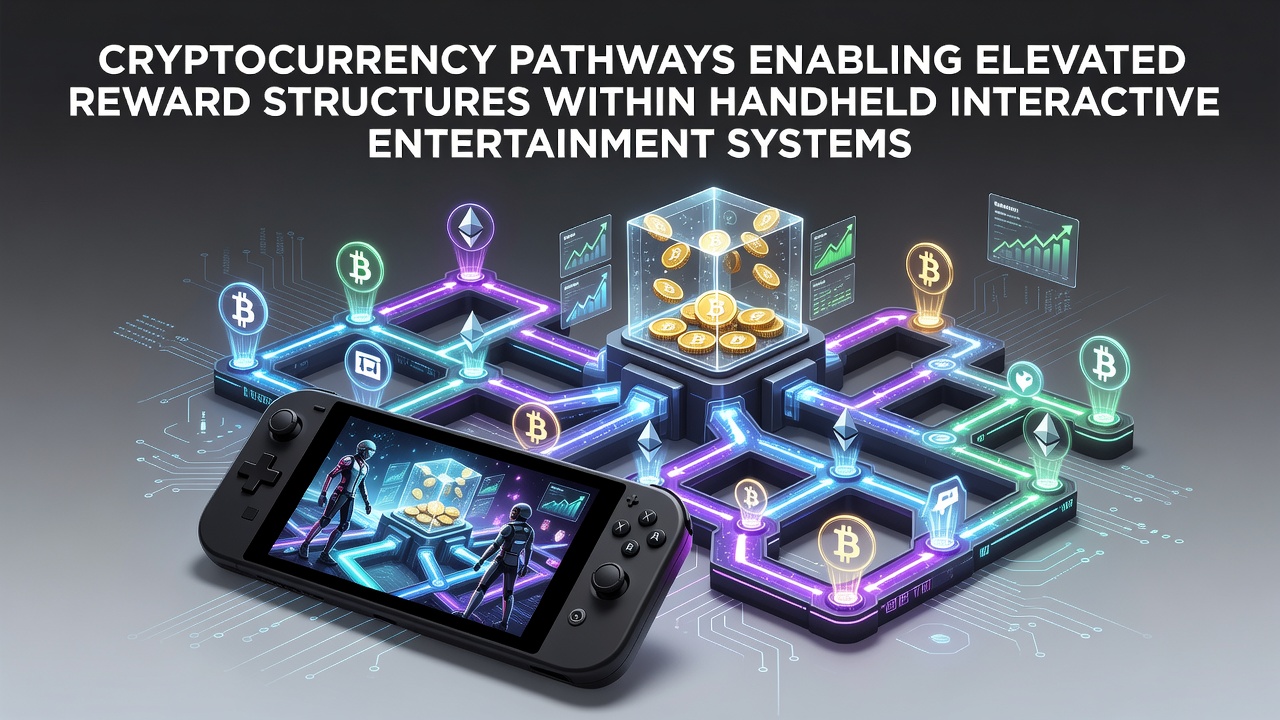
Cryptocurrency Pathways Enabling Elevated Reward Structures Within Handheld Interactive Entertainment Systems
Developments in digital asset technology continue to reshape how reward mechanisms operate inside portable gaming platforms. Blockchain networks allow developers to create token-based economies that distribute value directly through user devices, bypassing traditional centralized servers in many cases. Handheld systems now incorporate wallet connections that let players accumulate, trade, and redeem assets earned during gameplay sessions. These pathways rely on smart contracts to automate distribution rules without manual oversight from publishers. When a player completes specific objectives or reaches progression milestones, the contract executes transfers to personal addresses on compatible networks. This structure reduces intermediary fees while providing verifiable records of every transaction that occurs within the game environment.Core Technical Components Driving Integration
Portable entertainment applications connect to cryptocurrency networks through lightweight protocols designed for mobile hardware constraints. These connections use layer-two scaling solutions to maintain responsive performance during active play while recording outcomes on the main chain. Data from industry analyses show transaction confirmation times dropping below three seconds on optimized networks during peak usage periods in early 2026.
Token standards such as ERC-20 and newer variants enable uniform reward units across multiple titles. Developers program these tokens with attributes that include scarcity parameters and utility functions tied to in-game progression. Players access balances through embedded interfaces that sync with external wallet applications, creating seamless movement between different entertainment platforms.
Market Adoption Patterns Observed Through 2026
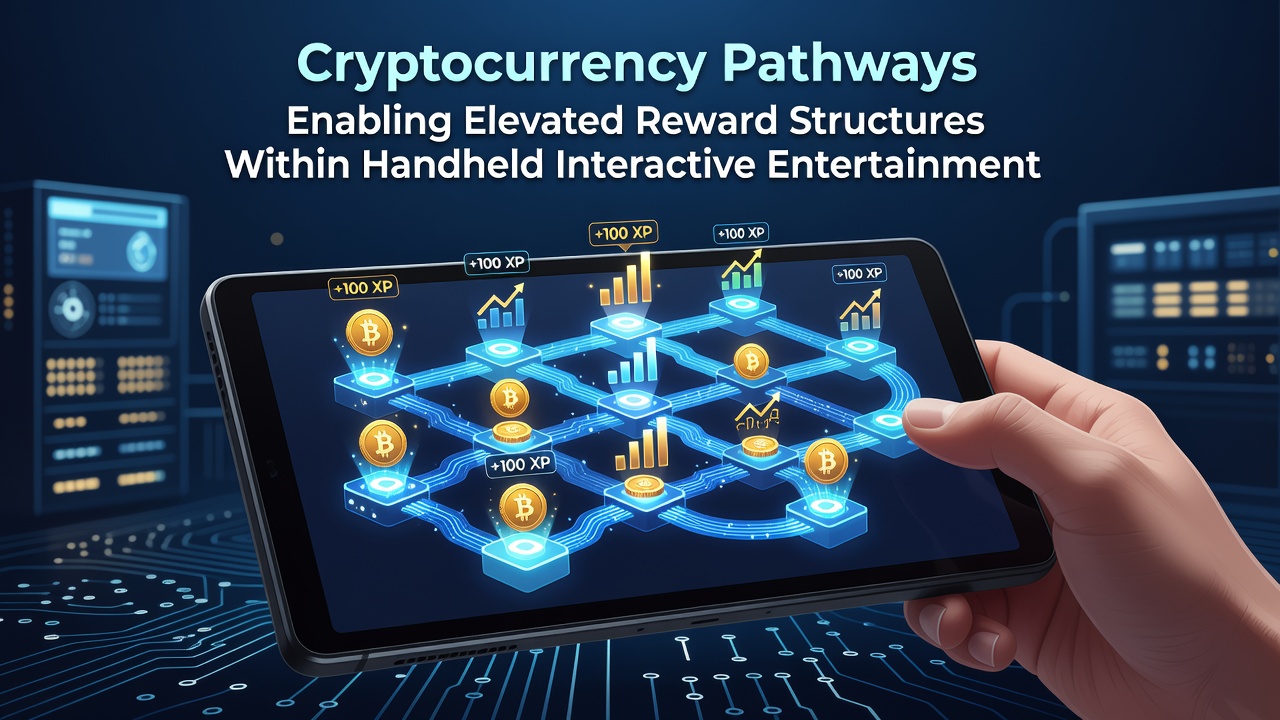
Usage metrics collected across major app stores indicate steady growth in titles featuring cryptocurrency reward layers. Figures released by research groups tracking digital economies reveal that active wallet linkages in mobile games exceeded 45 million unique addresses by March 2026. Growth accelerated further following updates to device operating systems that improved native cryptographic support.
Regional variations appear pronounced when comparing adoption rates. Markets in Asia-Pacific regions demonstrate higher integration volumes compared with North American figures, according to aggregated platform data. European developers have focused more on compliance frameworks that align token mechanics with existing consumer protection standards.
Regulatory Developments Shaping Implementation
Policy adjustments announced in June 2026 by Canadian authorities clarified licensing requirements for platforms that incorporate digital asset rewards. The updated guidelines require clear disclosure of token valuation methods and redemption processes within application interfaces. Similar measures proposed in Australian regulatory reviews emphasize consumer education around volatility risks associated with reward tokens.
Industry organizations such as the OECD blockchain policy network have published comparative studies examining how different jurisdictions approach taxation of in-game assets. These reports highlight that consistent reporting standards help platforms maintain operational continuity across borders. Meanwhile, academic research from institutions in Singapore continues to model economic impacts of token circulation within closed entertainment ecosystems.
Security and Verification Protocols
Multi-signature requirements and hardware-backed authentication now form standard layers protecting reward balances on handheld devices. Developers implement zero-knowledge proofs to verify achievement completion without exposing underlying gameplay data. Such techniques preserve user privacy while satisfying audit demands from regulatory bodies.
Network monitoring tools track anomalous activity patterns in real time, flagging potential exploits before they affect reward pools. Data compiled by independent security firms shows a measurable decline in successful unauthorized transfers following widespread adoption of these verification methods during late 2025.
Future Trajectory of Reward Architecture
Emerging interoperability standards promise to let tokens earned in one handheld title function within entirely separate entertainment environments. Cross-platform bridges currently under testing enable asset portability while preserving individual game economies. Observers note that successful deployment of these bridges could expand the effective value of accumulated rewards for participants.
Conclusion
Cryptocurrency pathways continue to evolve as foundational elements within handheld interactive systems. Technical refinements, regulatory clarifications, and expanding adoption metrics together indicate sustained development through the remainder of 2026 and beyond. These structures provide measurable mechanisms for reward distribution that operate independently of conventional payment processors while remaining subject to ongoing oversight in multiple jurisdictions.