Interplay of verification standards and reward accumulation in portable interactive entertainment systems
Written by Paul Meier · May 29, 2026
Interplay of verification standards and reward accumulation in portable interactive entertainment systems
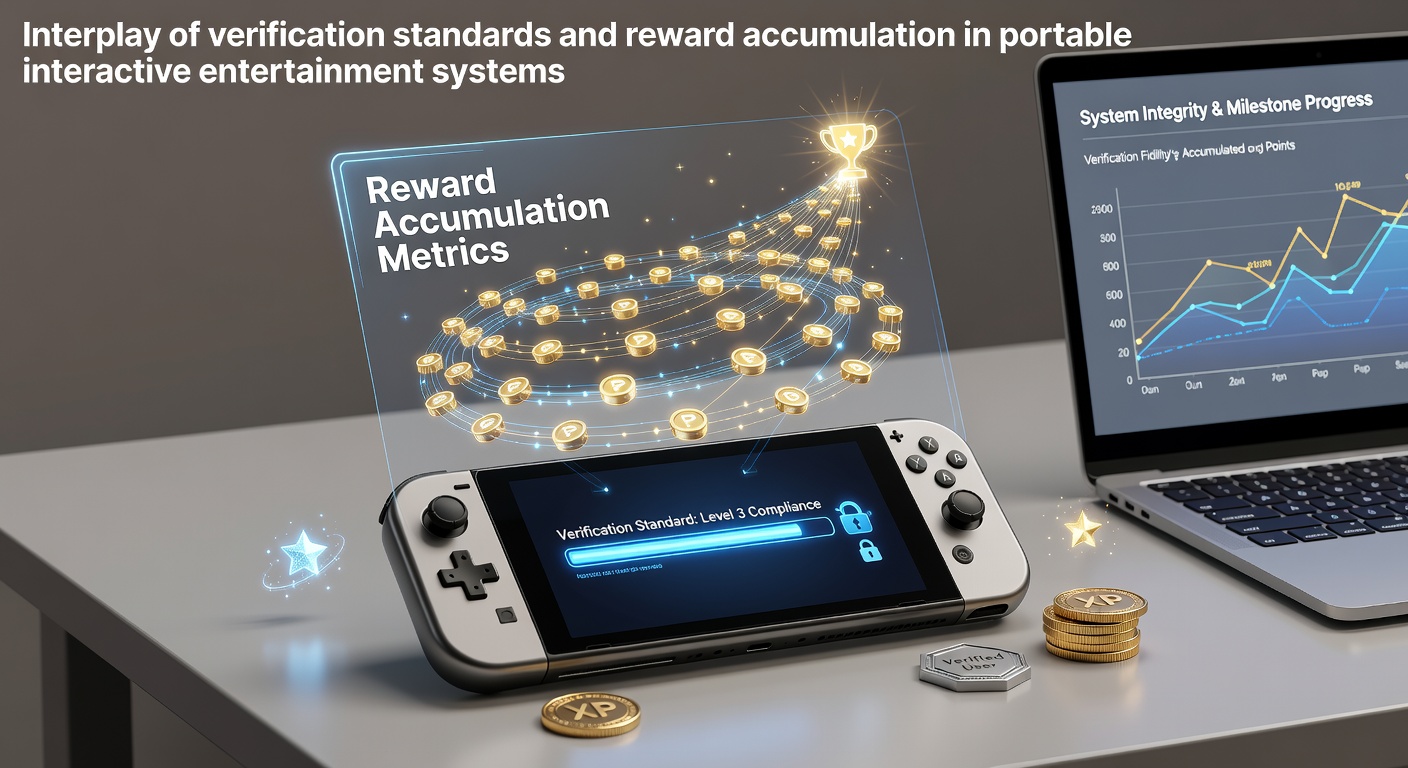
Portable interactive entertainment systems encompass mobile games, streaming platforms, and app-based experiences that operate across smartphones and tablets where verification standards establish user identity while reward accumulation mechanisms track progress, points, and achievements over time. These two elements operate in tandem because verification processes confirm eligibility for participation whereas reward systems rely on sustained user activity that meets security protocols. Data from industry reports indicate that verification layers such as age checks, device authentication, and biometric confirmations integrate directly with backend databases that log reward metrics in real time.
Core components of verification standards
Verification standards in portable systems include mandatory identity confirmation steps required by regulatory frameworks across multiple jurisdictions, and these steps often occur at initial app installation or during account creation phases. The Federal Trade Commission outlines consumer data protection requirements that influence how entertainment platforms handle personal information during these checks. Researchers at various academic institutions have documented that such standards reduce unauthorized access while creating structured entry points for reward programs. Portable devices facilitate these processes through built-in hardware features like fingerprint scanners and facial recognition that link verified profiles to ongoing activity logs.
Mechanics of reward accumulation
Reward accumulation functions through algorithmic tracking of user interactions including session duration, task completion, and in-app purchases that convert into points, levels, or virtual items stored in user accounts. Studies from research institutions show that these systems operate on cloud-synced ledgers which update across multiple devices as long as verification remains current. In practice, a user who completes daily challenges accumulates rewards only after passing periodic re-verification prompts that confirm continued compliance with platform policies. This setup ensures that accumulated rewards stay tied to authenticated profiles rather than temporary or shared sessions.
Integration points between verification and rewards
The interplay emerges at specific integration points where verification triggers reward eligibility or where accumulated rewards become accessible only after additional identity confirmations. For instance, platforms may require re-verification before unlocking high-value rewards to prevent fraud, and this requirement aligns with standards set by bodies such as the Australian Communications and Media Authority which oversees digital entertainment compliance in its region. Observers note that seamless integration occurs when verification data feeds directly into reward algorithms, allowing instant point crediting upon successful checks. Yet disruptions arise if verification fails, which pauses reward progression until the issue resolves. This dynamic creates a feedback loop where verified users maintain steady reward growth while unverified attempts halt accumulation entirely.
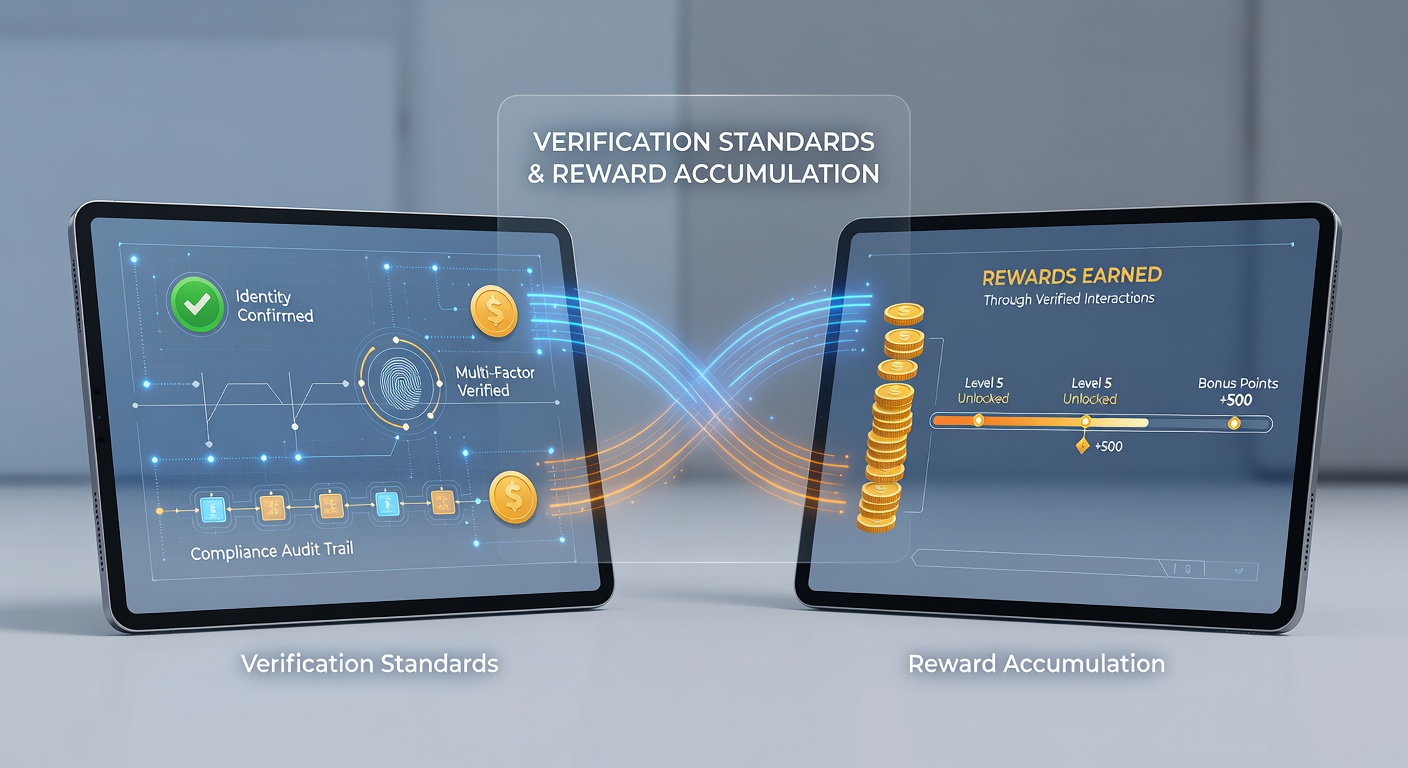
Technical architectures support this integration through API connections between verification modules and reward databases, and data indicates that latency in these connections directly affects user retention rates. In May 2026, upcoming updates to cross-platform compatibility standards are expected to refine these connections further as portable hardware evolves. Industry analyses reveal that platforms employing unified verification-reward pipelines report higher consistency in user data integrity compared to fragmented systems.
Regional variations in implementation
Implementation differs by region because regulatory environments shape how verification standards apply to reward systems. European Union directives emphasize data minimization during verification which influences how rewards track without excessive personal data retention. In contrast, North American frameworks prioritize fraud prevention that ties reward withdrawals to multi-factor verifications. Academic papers from university research groups have compared these approaches and found that regions with stricter verification see slower initial reward accumulation but greater long-term account stability. Portable systems adapt through localized settings that adjust verification frequency based on user location and reward thresholds.
Impact on user engagement patterns
Engagement patterns shift as verification standards intersect with reward accumulation because users often complete verification tasks to access pending rewards. Figures from platform analytics indicate spikes in verification completions coincide with reward milestone announcements. Those who study user behavior observe that portable entertainment systems leverage push notifications to prompt verification right before reward distribution events which streamlines the process. This approach maintains continuous accumulation cycles without extended interruptions.
Technical challenges and solutions
Technical challenges include synchronization errors between verification status and reward ledgers that occur during network transitions common in portable use. Solutions involve redundant verification caches that allow limited reward tracking offline with full reconciliation upon reconnection. Research indicates that these caches maintain data accuracy while complying with verification standards. Developers address edge cases by designing fallback protocols that preserve accumulated rewards during temporary verification lapses.
Conclusion
The interplay of verification standards and reward accumulation in portable interactive entertainment systems centers on connected processes that secure user access while enabling sustained progress tracking. Evidence from regulatory sources and research studies demonstrates that effective integration supports platform functionality across diverse regions and device types. As portable technologies advance, these connections continue to evolve through standardized protocols and updated compliance measures.