Mapping financial verification routes to layered incentive tiers in portable interactive play ecosystems
Written by Finley Flores · Jun 12, 2026
Mapping financial verification routes to layered incentive tiers in portable interactive play ecosystems
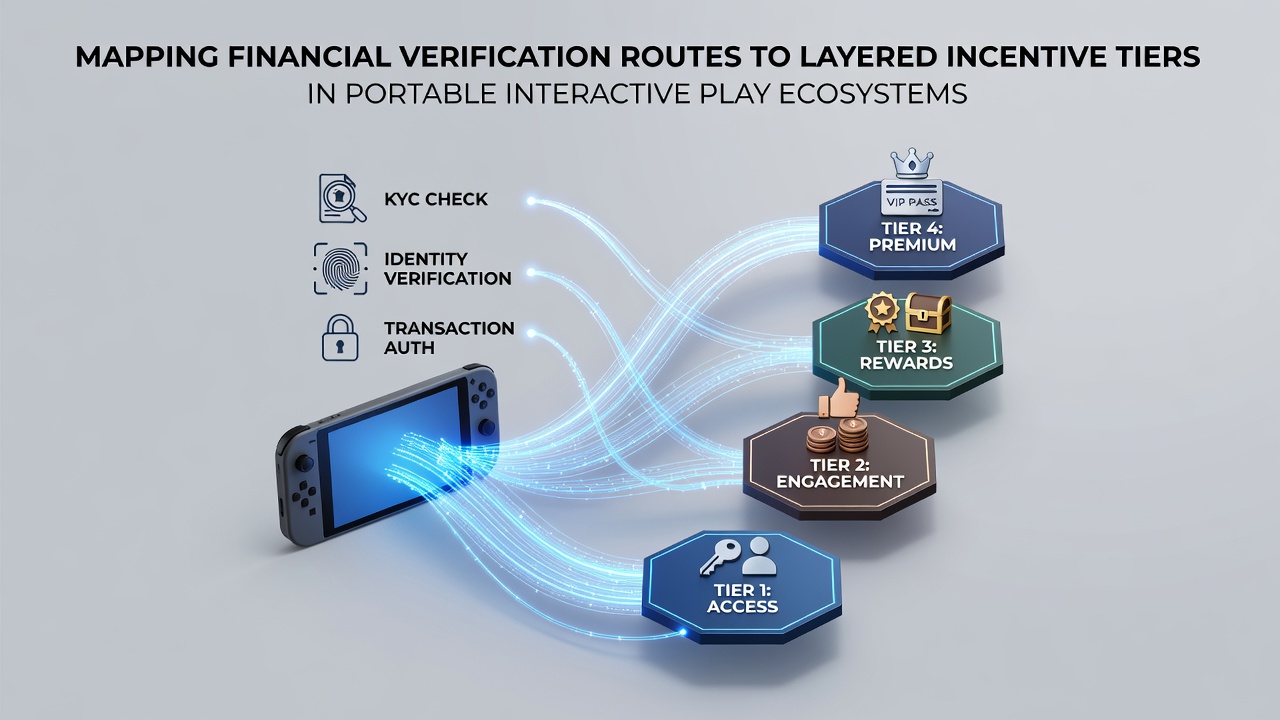
Portable interactive play ecosystems rely on structured financial verification processes that align directly with progressive reward layers available on mobile devices. These systems establish clear connections between identity confirmation steps and access to escalating benefits such as deposit matches, cashback percentages, and entry into live dealer environments. Data from industry tracking services shows mobile platforms process verification sequences in stages that correspond to user activity levels and transaction volumes.
Core verification pathways in mobile ecosystems
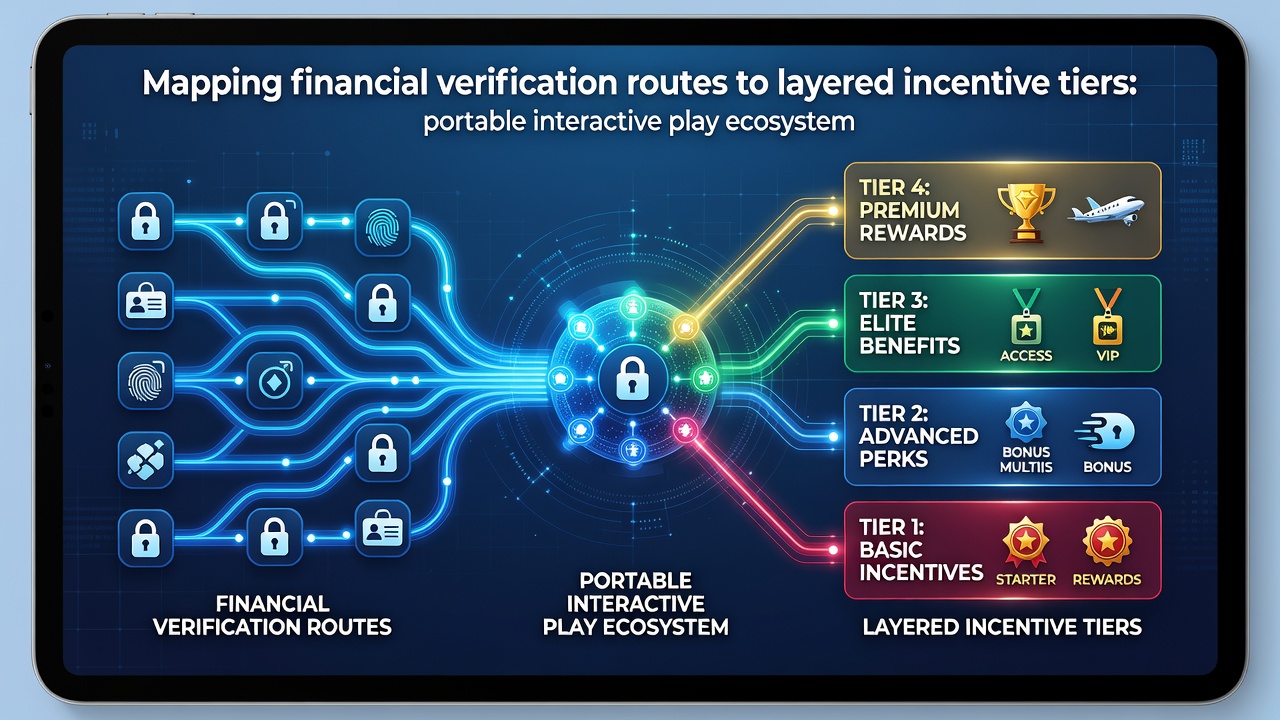
Financial verification begins with basic account setup that includes email confirmation and initial payment method linkage, which unlocks entry-level incentives like introductory free credits. Advanced routes require document submission for identity validation along with ongoing transaction monitoring, and these steps grant progression to mid-tier rewards including enhanced bonus multipliers and priority support channels. Platforms integrate these routes through automated systems that flag completion status and adjust incentive availability accordingly.
Observers note that seamless integration between banking channels and mobile applications reduces processing times while maintaining compliance standards. Research indicates verification completion rates influence retention patterns across different geographic markets. Those who've examined platform architectures find that layered authentication creates measurable distinctions in reward distribution.
Layered incentive structures tied to verification depth
Incentive tiers operate on a progressive model where each verification milestone unlocks corresponding benefit categories. Basic verification typically supports standard deposit bonuses and slot access, whereas full financial route completion enables participation in jackpot pools and live streaming sessions. Data shows higher verification levels correlate with increased average session durations on compact devices.
Take one regional operator that aligned its mobile verification sequence with reward ramps through automated status updates sent directly to user accounts. This approach allowed participants to track their progression from initial credits toward elevated status benefits without manual intervention. Figures reveal that such mappings produce consistent movement across incentive categories when paired with clear eligibility criteria.
Integration of payment gateways and reward accumulation
Payment gateways serve as the bridge between verification completion and reward activation in portable systems. Instant deposit confirmation often triggers immediate tier advancement, while scheduled payouts require sustained verification maintenance to preserve access to premium live dealer privileges. Studies found that platforms using unified verification dashboards experience smoother transitions between financial channels and benefit allocation.
According to reports issued by the Nevada Gaming Control Board, mobile transaction volumes continued their upward trajectory through early 2026 with verification-linked rewards contributing to sustained engagement metrics. What's interesting is how these systems handle multi-device synchronization, ensuring verification status remains consistent whether users access platforms via smartphone or tablet interfaces.
Regulatory considerations shaping verification mapping
Regulatory frameworks across multiple jurisdictions establish parameters for how verification routes connect to incentive tiers. Licensing requirements often mandate transparent disclosure of tier progression rules, and operators adjust their mobile architectures to meet these standards. A 2025 analysis from the International Gaming Institute at the University of Nevada, Las Vegas documented variations in verification thresholds among North American and Asian markets.
By June 2026, several jurisdictions plan to introduce updated guidelines that emphasize real-time verification updates within portable ecosystems. These changes focus on linking financial monitoring directly to reward eligibility without disrupting user flow on handheld devices. Platforms that have already implemented adaptive mapping report alignment with emerging compliance expectations.
Case examples of route-to-tier alignment
One established operator in the Asia-Pacific region redesigned its verification sequence to create distinct pathways for different incentive categories, resulting in documented shifts in user progression rates. Another North American platform incorporated biometric confirmation options that accelerated access to higher reward layers on mobile applications. Observers note that these adaptations reflect broader industry movement toward integrated financial and incentive management systems.
Evidence suggests verification depth influences not only reward access but also participation in progressive jackpot features and VIP live sessions. Those studying platform performance data identify clear patterns where completed financial routes correspond to expanded benefit utilization across portable interfaces.
Conclusion
Mapping financial verification routes to layered incentive tiers forms a foundational element within portable interactive play ecosystems. The connections between authentication stages and reward categories continue to evolve alongside regulatory updates and technological refinements. Data indicates these structured alignments support operational consistency while enabling platforms to differentiate access levels based on verified financial activity. Future developments scheduled around June 2026 will likely refine these mappings further as mobile ecosystems expand their verification capabilities.