Navigating Gateway Systems: Linking Financial Channels to Elevated Status Benefits in Compact Device Gaming
Written by Felix Fischer · May 22, 2026
Navigating Gateway Systems: Linking Financial Channels to Elevated Status Benefits in Compact Device Gaming
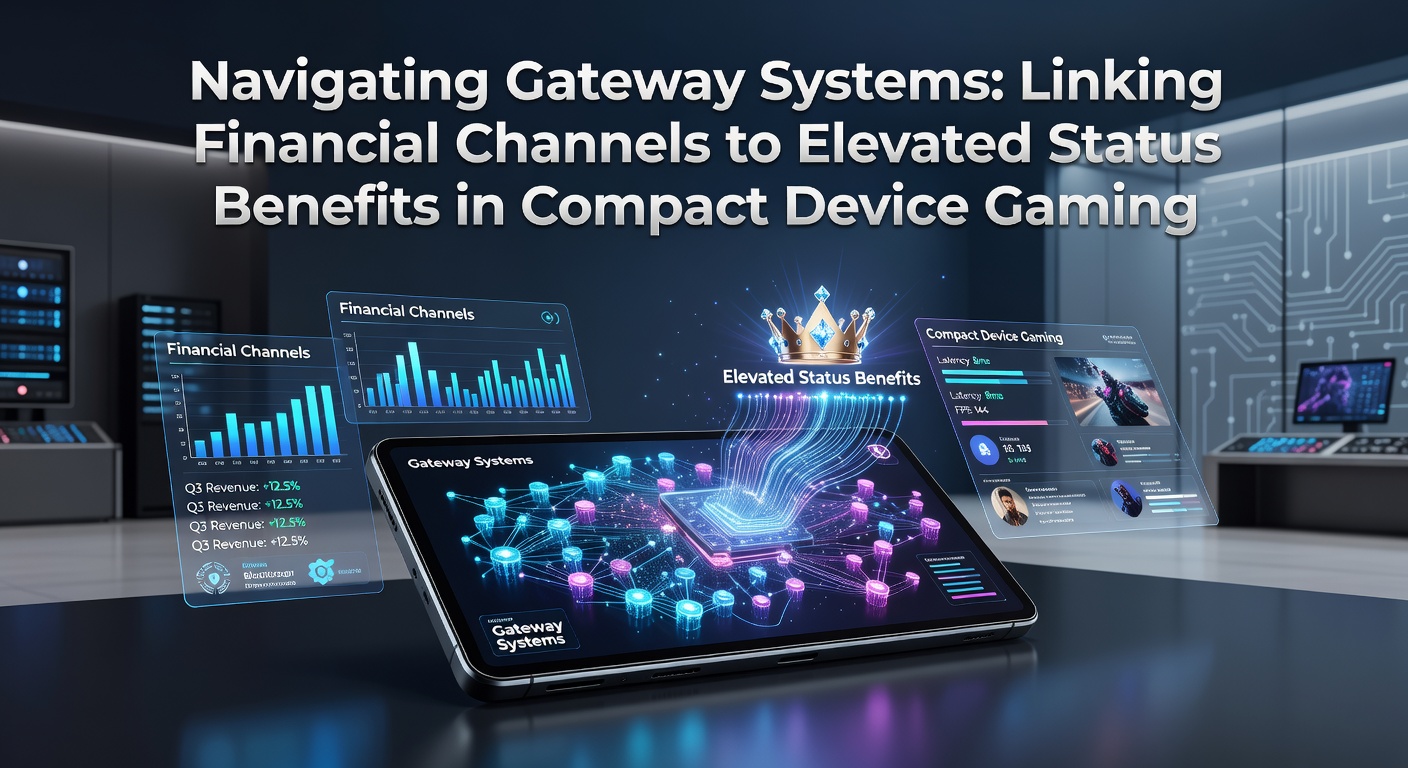
Gateway systems serve as the technical bridges that connect user financial accounts to gaming platforms on compact devices such as smartphones and tablets, and these infrastructures handle transaction routing while managing compliance checks and security protocols in real time. Observers note that modern gateways process deposits and withdrawals through encrypted channels that link directly to banking networks, e-wallets, and card processors, and this connectivity allows players to maintain continuous access without interrupting gameplay sessions on portable hardware.
Core Components of Gateway Architecture
Developers build these systems around application programming interfaces that standardize data exchange between financial institutions and gaming operators, while software layers manage authentication sequences, fraud detection algorithms, and currency conversion functions simultaneously. Data from industry reports indicates that successful integrations reduce transaction latency to under three seconds on average across major mobile networks, and this speed supports seamless progression from deposit confirmation to active play on compact screens. Researchers at various technology institutes have documented how modular designs permit operators to add new payment methods without rebuilding entire back-end structures, and such flexibility proves essential as regional regulations evolve in markets from North America to the Asia-Pacific region.
Security Protocols and Regulatory Alignment
Encryption standards including TLS 1.3 and tokenization methods protect sensitive information during transmission, and compliance frameworks require gateways to meet specifications set by bodies such as the Malta Gaming Authority and the Nevada Gaming Control Board. These requirements ensure that every transaction carries verifiable audit trails, and operators that align with these standards gain certifications that unlock broader market access. What's interesting is how certain gateways incorporate biometric verification options like fingerprint or facial recognition on supported devices, and this layer adds another checkpoint before funds move between accounts and gaming balances.
Financial Channel Connections in Mobile Environments
Compact device gaming relies on multiple financial pathways that gateways route through centralized processors, and common channels include direct bank transfers, digital wallets, prepaid cards, and cryptocurrency options where permitted by local rules. Studies from gaming research firms reveal that mobile transactions now account for over sixty percent of total deposits in regulated markets, and this shift has prompted gateway providers to optimize their services for lower data usage and offline fallback capabilities. One study revealed that platforms using adaptive routing can switch between primary and secondary processors during network congestion, and this redundancy keeps services operational even when individual banks experience temporary outages.
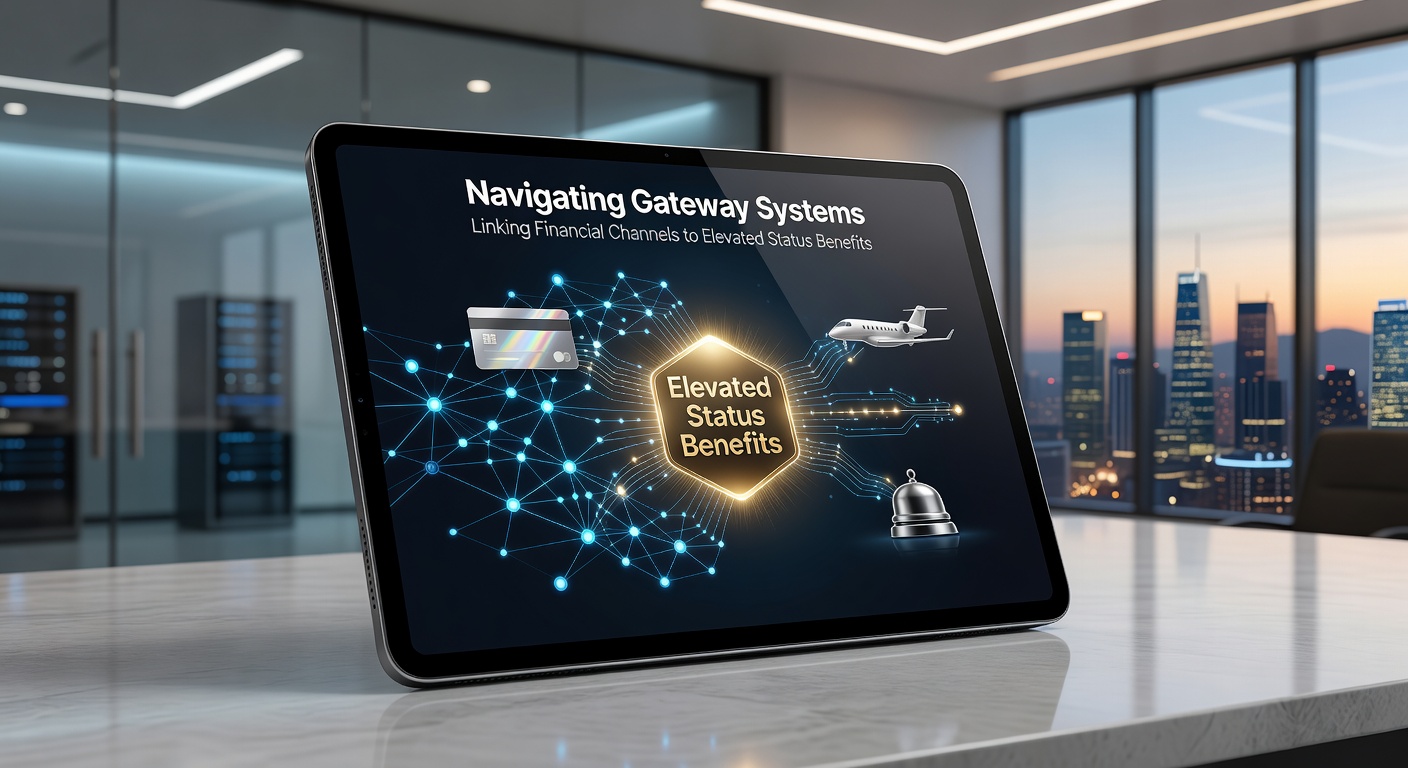
Payment processors often partner with gaming platforms to embed loyalty tracking within the same transaction flow, and this linkage allows deposit activity to feed directly into tier progression systems. According to figures from the European Gaming and Betting Association, operators that synchronize financial data with loyalty engines report higher retention rates among users who complete frequent small transactions on mobile applications. And while basic deposits unlock standard features, cumulative spending thresholds trigger automated status upgrades that grant access to exclusive tables, faster withdrawal approvals, and personalized reward structures.
Elevated Status Benefits Through Integrated Gateways
Once a gateway records qualifying transaction volumes, the connected loyalty platform advances the user through tier levels, and these advancements unlock tangible advantages such as higher withdrawal limits, dedicated support channels, and invitations to special events. Data shows that users reaching mid-tier status often receive cashback percentages calculated on prior activity, and these returns appear as bonus credits that gateways then process alongside regular deposits. Observers note that the same infrastructure handling everyday payments also manages these reward distributions, which eliminates the need for separate manual interventions by operator staff.
Industry expansions scheduled for 2026, including the Graton Resort and Casino opening in May, illustrate how physical properties are extending their mobile offerings through upgraded gateway partnerships. These developments allow existing loyalty members to carry status benefits across both land-based and compact device environments without resetting progress. Experts have observed that cross-platform recognition relies on centralized customer databases that gateways query during each login or deposit event, and this continuity encourages sustained engagement across multiple access points.
Operational Challenges and Technical Solutions
Network variability on mobile connections presents ongoing hurdles for gateway reliability, and providers address this through edge computing techniques that cache authentication tokens locally until stable connectivity returns. Reports from Canadian regulatory sources highlight how operators in that jurisdiction maintain uptime standards above 99.5 percent by deploying redundant gateway clusters across different geographic regions. Those who've studied transaction logs further note that peak usage periods, such as evening hours in major time zones, require dynamic load balancing to prevent processing delays that could affect status benefit calculations.
Conclusion
Gateway systems continue to evolve as the central nervous system for financial interactions in compact device gaming, and their ability to link deposits with status progression creates structured pathways for users seeking elevated benefits. Research indicates that ongoing refinements in security, speed, and regulatory compliance will determine which platforms maintain competitive positions as mobile participation grows. The integration of these technical elements with loyalty mechanics ensures that every financial action contributes to measurable advantages, and this model supports the expanding ecosystem of portable gaming worldwide.