Patterns of Reward Accumulation in Cross-Platform Gaming Networks: A Focus on Engagement Thresholds
Written by Paul Sullivan · Jul 17, 2026
Patterns of Reward Accumulation in Cross-Platform Gaming Networks: A Focus on Engagement Thresholds
Cross-platform gaming networks connect players across devices such as consoles, PCs, and mobile systems, and these connections shape how rewards build over time through consistent engagement. Data from industry reports indicate that networks like those supporting Fortnite and Minecraft track player activity across platforms, allowing progress in achievements, in-game currencies, and cosmetic items to transfer without resetting when users switch devices. Researchers at universities including the University of California have examined these systems and found that reward accumulation follows predictable patterns tied to total playtime and session frequency rather than isolated device usage.
Defining Engagement Thresholds in Multi-Device Environments
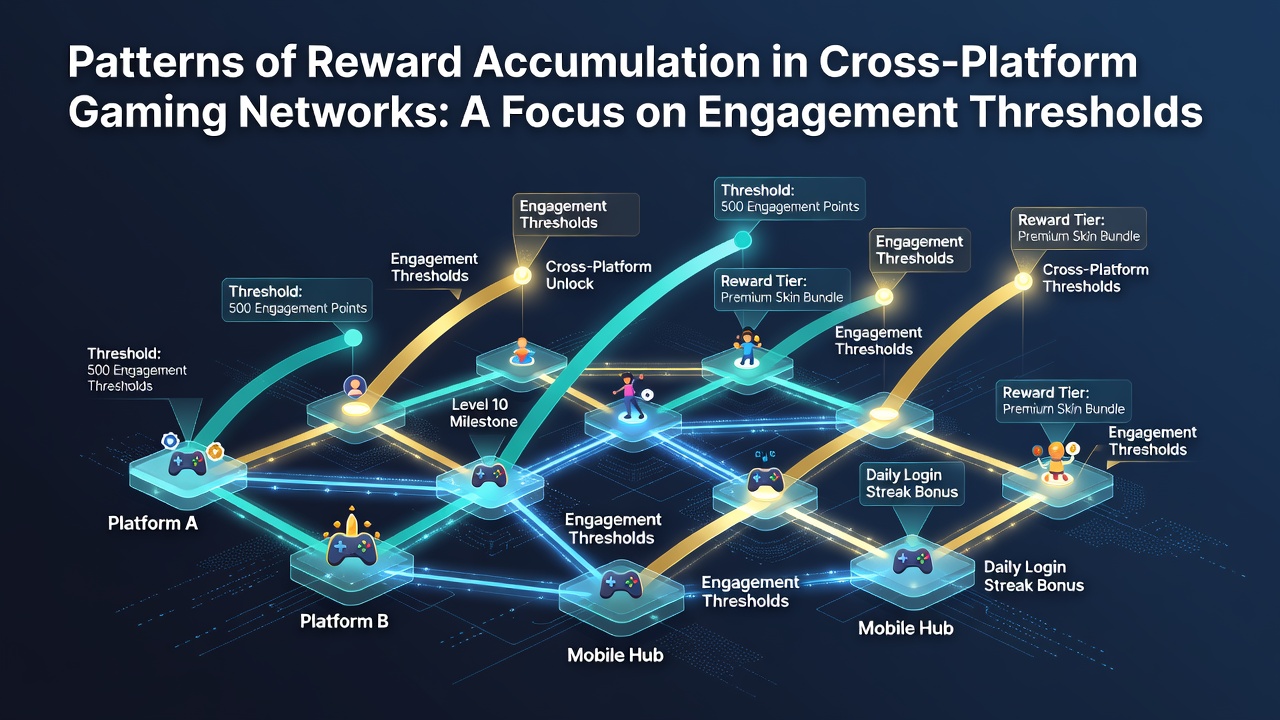
Engagement thresholds represent specific points where players unlock additional rewards or features after reaching measurable activity levels, and these thresholds operate uniformly across connected platforms. Studies from the Entertainment Software Association reveal that many networks set initial thresholds at around 10 hours of cumulative play, which grants basic items, while higher levels at 50 or 100 hours provide exclusive cosmetics or currency bonuses that remain accessible on any linked device. Observers note that this structure encourages sustained participation because rewards scale with overall network activity instead of separate per-platform counts.
Networks implement these thresholds through centralized account systems that sync data in real time, and this synchronization prevents loss of progress during device switches. Evidence from player behavior analyses shows that users who hit the first threshold often increase their session length by 30 percent on average, while crossing the second threshold correlates with a further rise in cross-device logins. Those who've studied these dynamics point out that the thresholds also incorporate social elements such as friend invitations or group events, which accelerate accumulation when multiple players participate together.
Data Patterns Across Major Gaming Platforms
Figures from 2025 and into July 2026 demonstrate steady growth in reward accumulation rates within cross-platform environments. Reports compiled by the European Games Developer Federation highlight that networks handling titles with full cross-progression see average reward unlock rates increase by 22 percent year over year, driven largely by mobile integration that allows shorter sessions to contribute toward the same totals. One analysis of over 2 million accounts found that players reaching the 75-hour threshold receive tiered rewards that include both immediate in-game benefits and long-term status markers visible to others in the network.
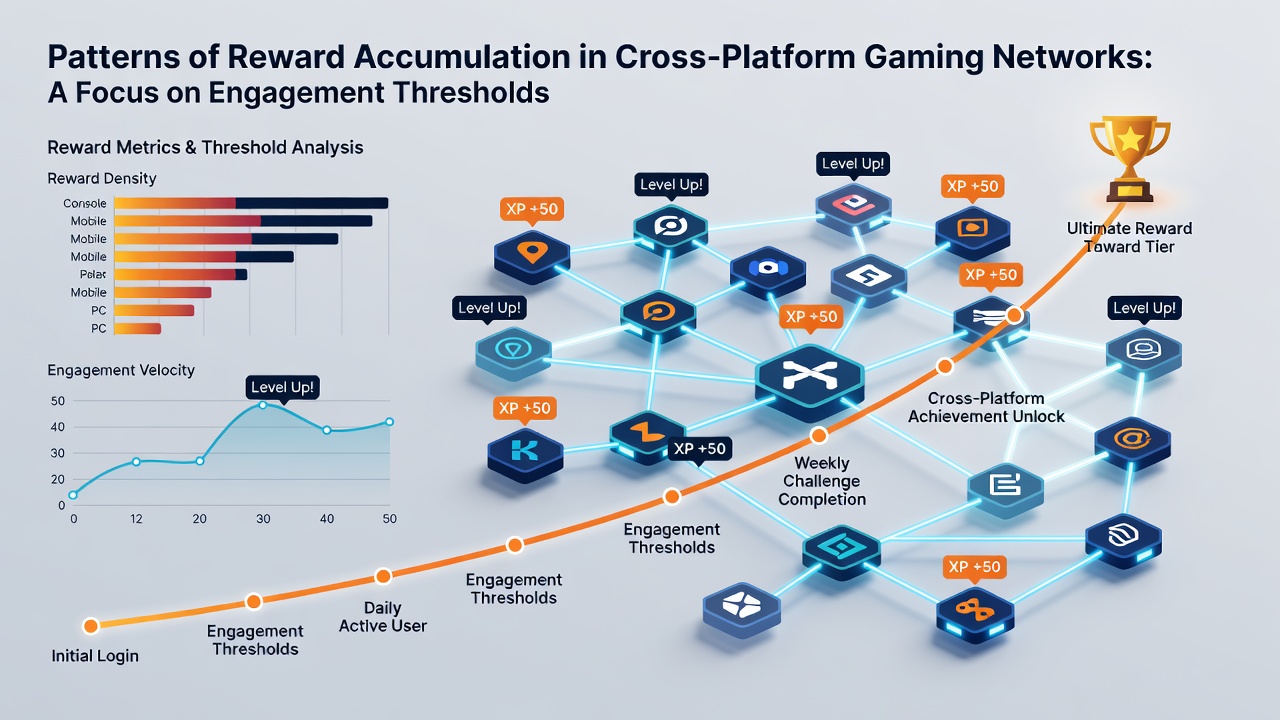
Take one dataset released by a Canadian research consortium that tracked activity on a popular battle royale title, where the patterns showed clear clustering around certain thresholds, and players who passed the 40-hour mark accumulated 45 percent more currency than those below it despite similar device distribution. This clustering occurs because networks often apply multipliers once thresholds are met, which compounds rewards for continued engagement. What's interesting is how these multipliers interact with seasonal events, as data indicates temporary boosts during July events in 2026 led to faster threshold crossings across all platforms.
Case Examples from Established Networks
Networks supporting games such as Call of Duty and Roblox illustrate the practical application of these patterns. In one documented instance, a group of players who maintained consistent weekly sessions across PC and mobile reached the elite reward tier within four months, unlocking shared progression that carried into live events. Researchers discovered that the presence of visible progress bars tied to thresholds increased return rates, with accounts showing at least one cross-platform login per week achieving higher cumulative rewards than single-device users.
Another examination conducted in Australia by an independent gaming research group found that threshold-based systems reduced account abandonment after the first month by linking early rewards directly to continued activity. The study tracked 500,000 accounts and noted that those hitting the initial engagement marker within the first two weeks were three times more likely to reach the mid-tier rewards by month six. Such findings underscore how the timing of threshold achievement influences overall network retention metrics.
Implications for Network Design and Player Behavior
Design choices around thresholds affect how rewards distribute throughout the network, and developers adjust these values based on aggregated usage statistics collected across regions. Data collected through 2026 shows that networks incorporating variable thresholds calibrated to regional play patterns maintain steadier accumulation curves than those using fixed global numbers. Players often discover that linking additional devices after reaching an early threshold provides immediate access to previously earned items, which reinforces the value of maintaining active accounts.
Industry organizations continue to monitor these systems for balance, and reports emphasize transparency in how thresholds are communicated within the user interface. Evidence suggests that clear milestone indicators help players understand the path to higher rewards without requiring external guidance. As cross-platform connectivity expands, the focus remains on maintaining consistent accumulation rules that function identically whether accessed through a console controller or a touchscreen device.
Conclusion
Patterns of reward accumulation in cross-platform gaming networks center on engagement thresholds that scale with total activity and remain consistent across devices. Available data through July 2026 confirm that these structures produce measurable increases in play duration and device switching once initial markers are passed. Continued examination by research institutions and industry groups provides ongoing insight into how these thresholds shape long-term participation across interconnected gaming environments.