Payment Pathways Reshaping Access to Progressive Wins and Tiered Live Experiences on Portable Platforms
Written by Finley Flores · May 19, 2026
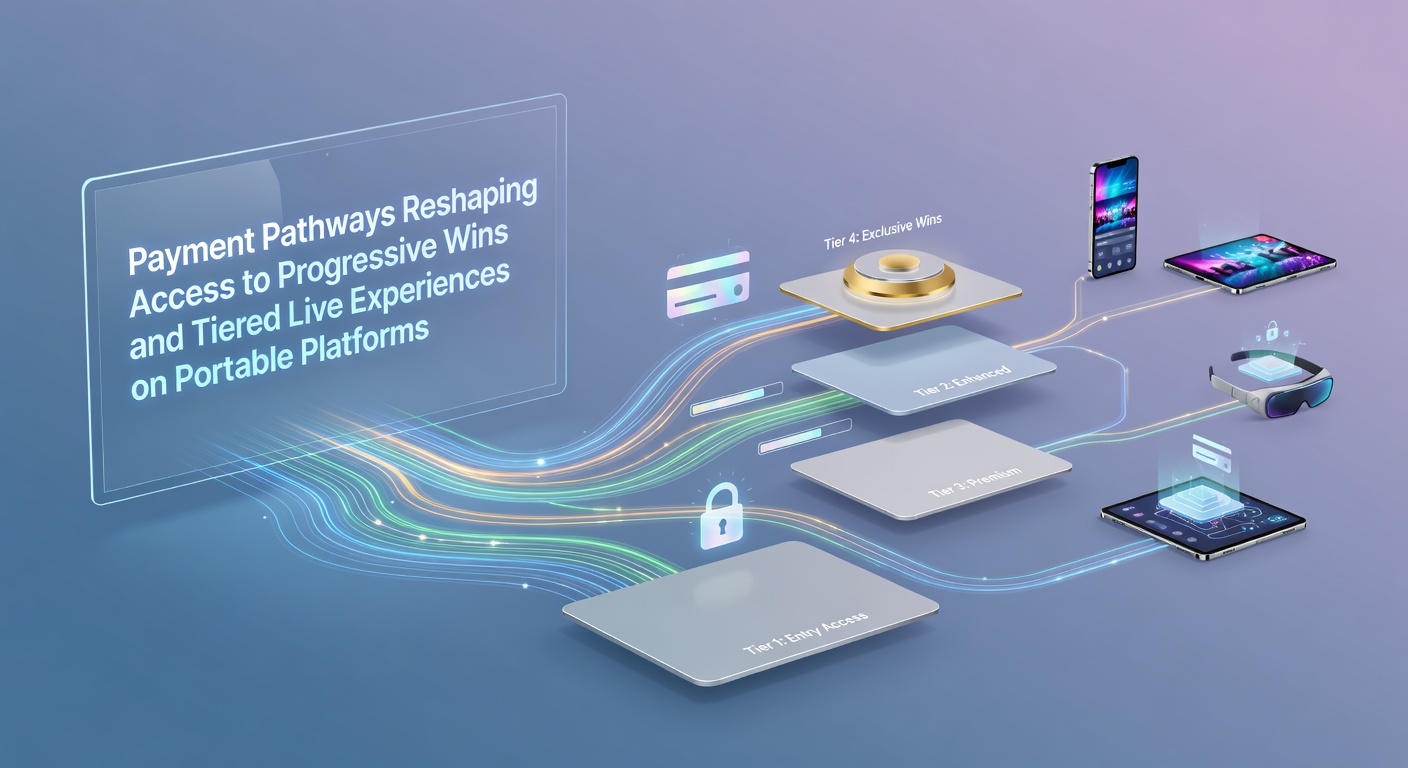
Payment Pathways Reshaping Access to Progressive Wins and Tiered Live Experiences on Portable Platforms
Data from multiple regions shows that payment pathways on portable platforms have evolved rapidly in recent years, creating direct connections between user accounts and both progressive jackpot pools plus tiered live dealer environments. Observers note that these systems rely on integrated banking options, digital wallets, and instant transfer protocols that reduce friction during gameplay sessions. Researchers tracking industry patterns report that mobile users now complete funding steps in fewer taps than desktop counterparts, which in turn supports sustained participation in high-stakes progressive titles and exclusive live streams.
Integration of Modern Payment Systems
Portable platforms incorporate several payment layers that function together to move funds quickly while maintaining security standards set by regulatory bodies. Secure tokenization and biometric authentication appear frequently in current implementations, allowing players to authorize deposits without leaving the gaming interface. What's notable is how these features align with broader financial technology trends observed across consumer applications. Figures released by the Alcohol and Gaming Commission of Ontario indicate that transaction volumes through mobile channels have grown steadily as operators adopt standardized APIs for real-time verification.
Industry reports further reveal that multi-currency support and low-latency processing now handle cross-border transfers more efficiently than earlier versions. This matters because progressive jackpot contributions accumulate from global player pools, and seamless deposits help maintain consistent funding levels across time zones. Those who monitor platform metrics have documented fewer abandoned sessions when payment confirmation occurs within seconds rather than minutes.
Unlocking Progressive Wins Through Streamlined Transfers
Progressive jackpot networks depend on continuous micro-contributions from active players, and portable payment pathways accelerate entry into these linked prize structures. Once a deposit clears, the system automatically allocates portions to the shared pool without additional user steps. Evidence from platform analytics demonstrates that users accessing games via optimized mobile transfers participate in more jackpot-eligible rounds per session compared with traditional methods.
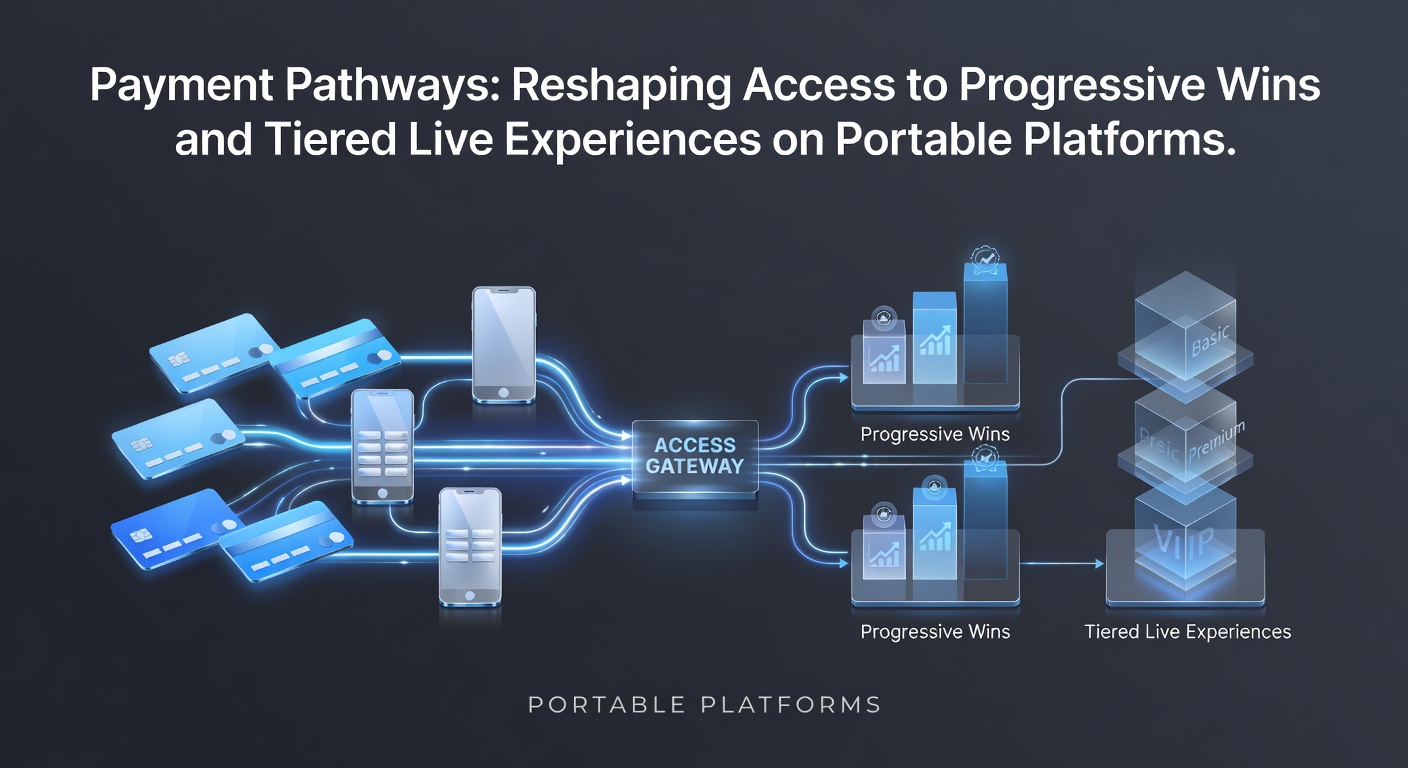
Case studies compiled by academic researchers at institutions studying digital entertainment economics highlight how instant payout pathways also affect withdrawal experiences after jackpot triggers. Players receive notifications and can move winnings to linked accounts with minimal delays, which encourages repeated engagement with the same ecosystem. Data collected across North American markets shows measurable increases in average session length when payment confirmation and reward distribution operate in a unified flow.
Tiered Live Experiences and Access Levels
Live dealer environments on portable platforms often feature tiered access that corresponds to player status and deposit activity. Payment pathways feed directly into loyalty tracking modules, automatically updating eligibility for private tables, higher betting limits, and personalized dealer interactions. According to documentation from the New Jersey Division of Gaming Enforcement, regulated operators must log these status transitions to ensure compliance with fairness requirements.
Observers have recorded that users who utilize recurring deposit schedules gain faster progression through tiers, unlocking features such as dedicated chat moderators and exclusive tournament invitations. The architecture behind these systems connects transaction histories with real-time game servers so that status changes appear immediately within the mobile interface. Research papers examining user behavior patterns note that transparent payment records help maintain trust when players compare their tier benefits against stated requirements.
Anticipated Platform Developments in 2026
Industry roadmaps point toward further refinements scheduled around May 2026, including expanded support for regional payment networks and enhanced encryption standards for live-streamed sessions. These updates aim to accommodate growing demand for portable access while aligning with evolving compliance frameworks in multiple jurisdictions. Government agencies in several Canadian provinces have already signaled upcoming guidelines that will influence how operators structure instant transfer options for tiered content.
Developers continue testing integrations that combine biometric payments with augmented reality overlays during live dealer rounds, potentially allowing players to adjust stakes through gesture-based commands. Data indicates that such capabilities could reduce cognitive load during complex progressive jackpot games that require simultaneous monitoring of multiple prize levels.
Conclusion
Payment pathways continue to serve as foundational infrastructure linking portable device users with progressive jackpot opportunities and stratified live dealer privileges. Regulatory records, platform metrics, and academic analyses collectively demonstrate that efficient transfer mechanisms support higher participation rates and smoother progression through access tiers. As operators prepare for enhancements planned in mid-2026, the focus remains on maintaining secure, rapid connections between funding sources and the full range of mobile gaming experiences.