teh Dynamics of Multi-Stage Reward Pathways in Interactive Digital Gaming Platforms
Written by Paul Sullivan · May 31, 2026
teh Dynamics of Multi-Stage Reward Pathways in Interactive Digital Gaming Platforms
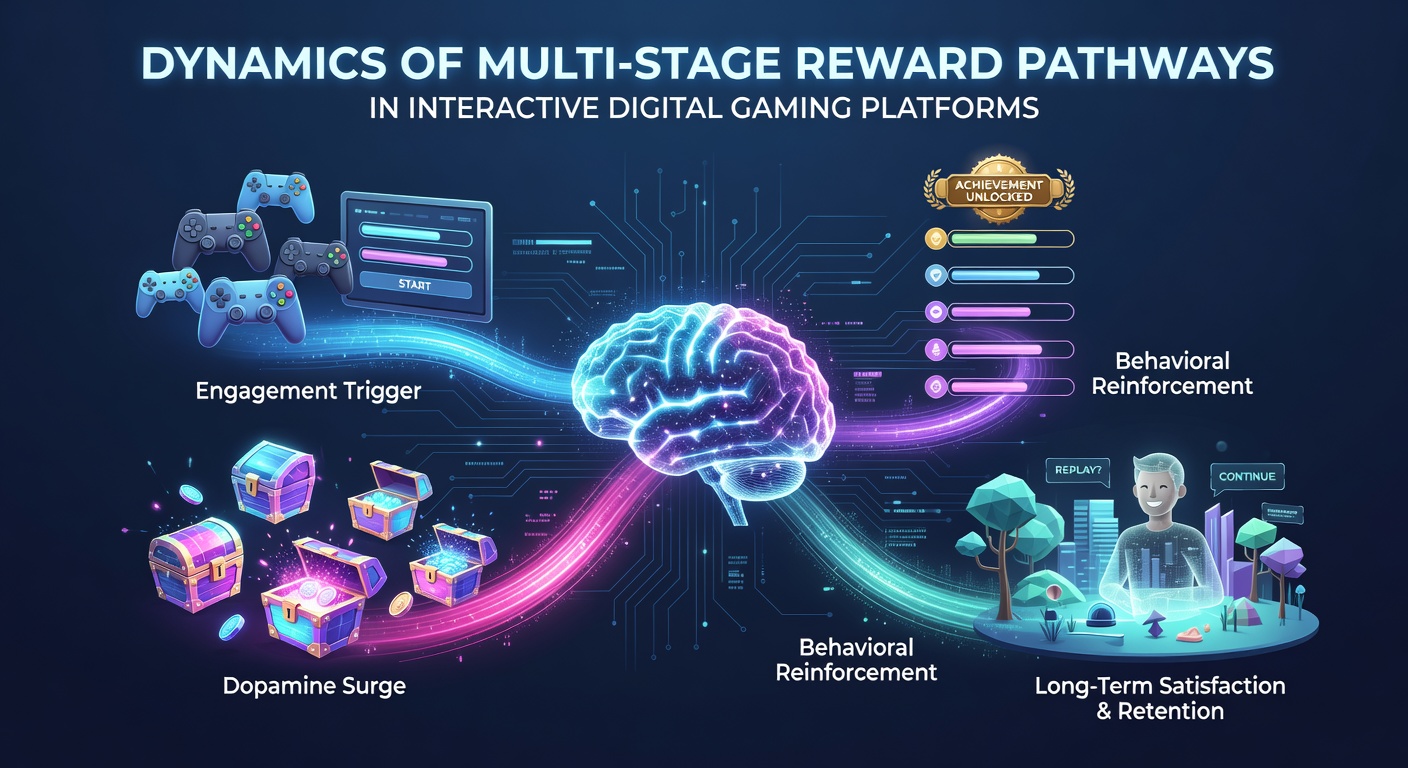
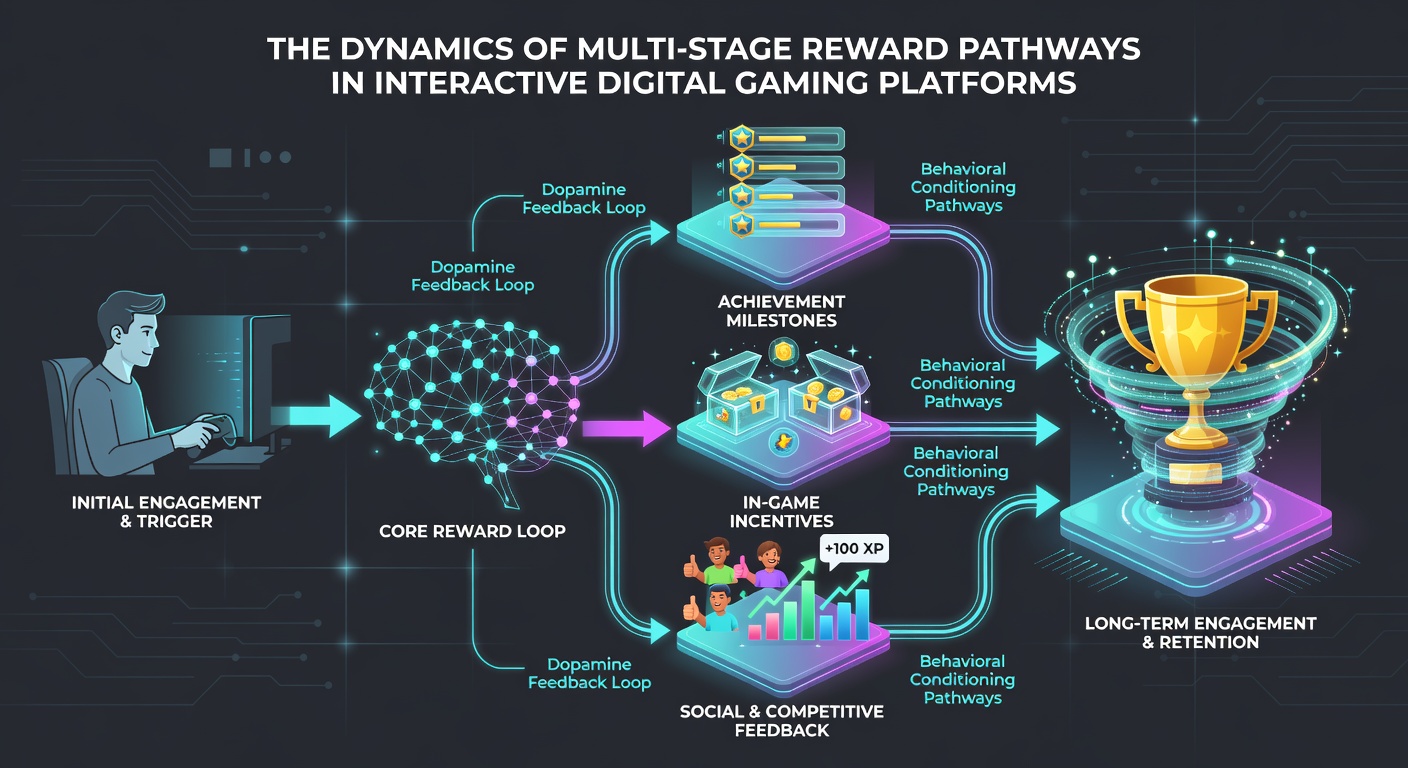
Multi-stage reward pathways operate as layered systems that distribute incentives across immediate feedback loops, medium-term milestones, and extended progression arcs within interactive digital gaming platforms, and these mechanisms structure player interaction through sequenced achievements rather than singular payouts. Data from industry analyses shows that games employing such pathways maintain session durations that extend 25 to 40 percent beyond those with flat reward models, while retention metrics climb correspondingly according to aggregated platform reports.
Core Components of Layered Reward Structures
Immediate rewards activate upon task completion and typically include resource grants, experience points, or visual confirmations that trigger within seconds of an action, whereas medium-term stages require accumulation across multiple sessions before unlocking items, character upgrades, or narrative segments. Long-term pathways span weeks or months and culminate in prestige systems, seasonal rankings, or exclusive access tiers that reset or evolve with content updates, and observers note that this temporal staggering prevents rapid saturation of player interest.
Platform architectures integrate these stages through backend databases that track cumulative progress across devices, ensuring continuity when users switch between mobile, console, and desktop environments, while algorithms adjust reward density based on individual play patterns without altering core progression rules. Research conducted at the University of Alberta's gaming studies division indicates that synchronized multi-device tracking correlates with higher completion rates for extended pathways compared to single-platform implementations.
Implementation Across Game Genres
Action role-playing titles frequently embed daily login bonuses that feed into weekly challenges, which in turn contribute to monthly battle-pass completions, creating a cascading effect where small actions accumulate toward larger objectives. Massively multiplayer online environments layer guild-based rewards atop personal advancement tracks, allowing collective milestones to influence individual progression and thereby strengthening social retention alongside mechanical incentives.
Mobile platforms emphasize micro-stages that fit fragmented play sessions, such as energy refills or quick-event completions that bridge to larger weekly objectives, and developers adjust these intervals to align with typical commute or break periods reported in user telemetry. One study revealed that titles optimizing stage timing around these natural pauses achieve completion rates exceeding 60 percent for the first three pathway tiers.
Measurement and Adjustment Mechanisms
Telemetry systems log entry and exit points for each reward stage, enabling designers to identify drop-off clusters where players disengage before milestone completion, and adjustments often involve recalibrating difficulty curves or inserting intermediate sub-rewards to smooth transitions. Figures released by the Entertainment Software Association in its annual reports document that iterative tuning based on such data has become standard practice across major studios since the mid-2010s.
Regulatory frameworks in regions such as Ontario, Canada, require transparency disclosures for certain reward probabilities within loot-based stages, which compels platforms to publish aggregate drop rates and maintain audit logs accessible to oversight bodies, and similar requirements have emerged in Australian state-level guidelines governing digital entertainment products. These rules affect how long-term pathways present randomized elements without altering deterministic progression tracks.
Emerging Patterns Through 2026
Upcoming platform updates scheduled for release windows in May 2026 incorporate adaptive reward scaling that responds to aggregate player population metrics rather than solely individual performance, allowing community-wide events to modulate personal reward velocity during peak participation periods. Early documentation from participating studios describes these systems as extensions of existing seasonal frameworks that already blend solo and group objectives.
Cross-platform ecosystems continue to expand linkage between reward inventories, permitting items earned on one device to transfer value into another title within the same publisher family, and preliminary integration tests show reduced redundancy in player effort across connected experiences. Industry organizations tracking these developments project that standardized transfer protocols will cover an increasing share of major releases by the close of the decade.
Conclusion
Multi-stage reward pathways function through deliberate sequencing of incentives that balance short feedback with sustained goals, supported by technical tracking and periodic calibration informed by usage data, and their continued refinement reflects broader shifts toward interconnected gaming environments. External analyses from academic and regulatory sources provide ongoing benchmarks for how these systems evolve while remaining within established operational parameters across global markets.